


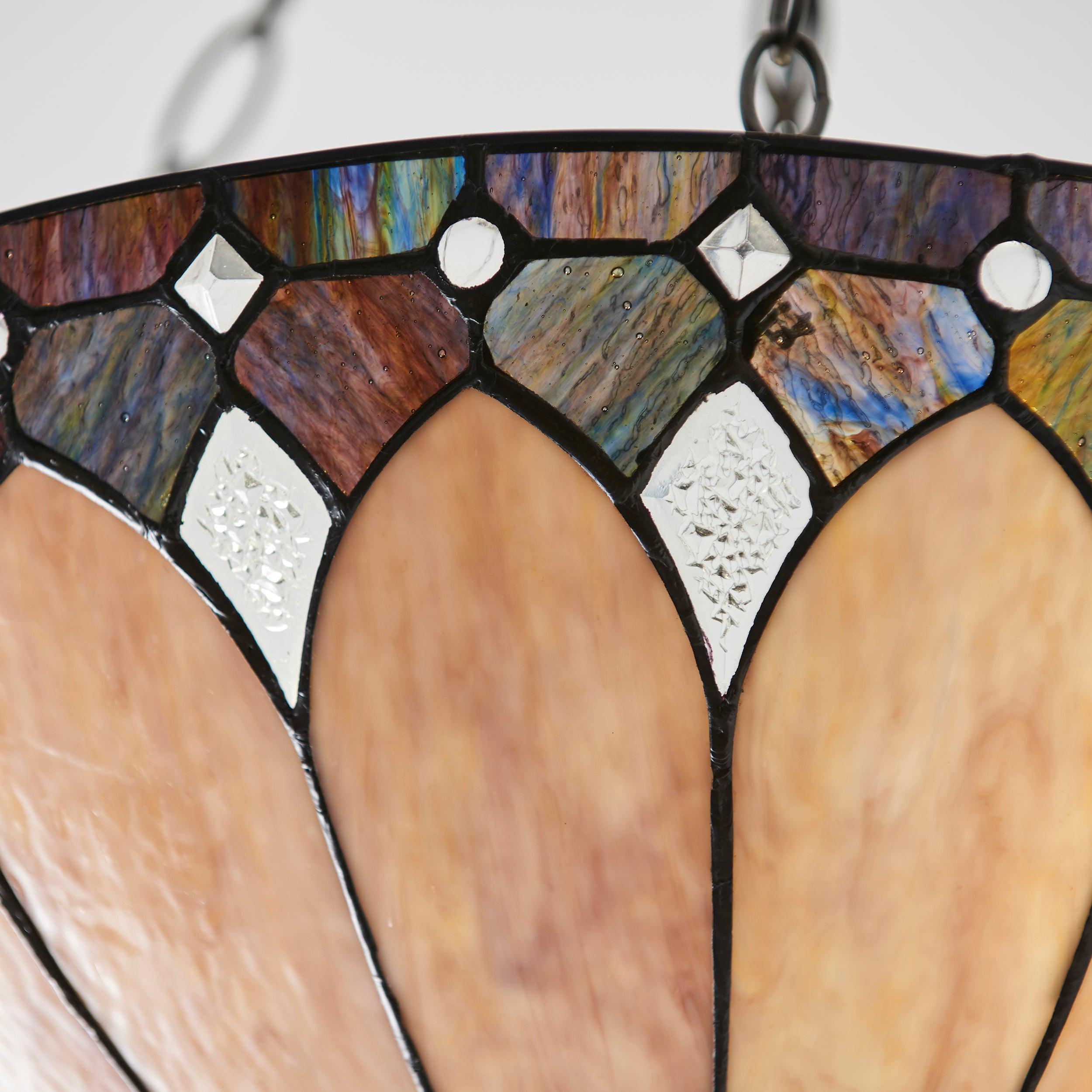
In the vast and ever-evolving world of interior design, very few items achieve true iconic status. Trends cycle through decades, materials fall in and out of favour, and modern technology constantly redefines what is possible. Yet, for over a century, one distinct style of lighting has remained an enduring symbol of luxury, artistry, and unparalleled warmth: the Tiffany lamp.
An authentic Tiffany-style lamp is not merely a household appliance designed to illuminate a dark corner. It is a functional piece of art. It is a meticulous mosaic of stained glass that transforms raw electricity into a breathtaking, glowing tapestry of jewel tones.
Whether you reside in a grand Victorian townhouse, a cozy rural cottage, or a sleek, minimalist new-build, a carefully chosen Tiffany fixture has the power to anchor a room, inject soul into a space, and become a cherished family heirloom.
In this definitive guide, we will journey through the fascinating history of Tiffany lighting, demystify the incredible artisanal craftsmanship required to build them, answer the most common questions regarding their materials, and provide expert advice on how to flawlessly style these masterpieces in the modern British home.
The Origins: Louis Comfort Tiffany and the Art Nouveau Rebellion
To truly appreciate a Tiffany lamp, you must understand the era in which it was born.
In the late 19th century, the Industrial Revolution was in full swing. Factories were mass-producing identical, soulless household goods at an unprecedented rate. In stark rebellion against this mechanical uniformity, the Art Nouveau movement emerged. This artistic philosophy championed a return to exquisite craftsmanship, organic forms, and designs inspired heavily by the natural world.
At the forefront of this movement in America was Louis Comfort Tiffany. The son of Charles Lewis Tiffany (founder of the legendary jewelry retailer Tiffany & Co.), Louis chose not to follow in his father's diamond-studded footsteps. Instead, he became obsessed with the artistic potential of glass.
Prior to Tiffany, stained glass was largely reserved for towering cathedral windows, and the glass itself was typically painted to achieve its detail. Tiffany revolutionized the medium by inventing "Favrile" glass—a technique that embedded the colour and texture directly into the glass itself. His vision was to bring the majestic beauty of stained-glass windows into the domestic home, shrinking the grand architectural scale down to a functional table lamp.
The Unsung Heroes: Clara Driscoll and the Tiffany Girls
For decades, history credited Louis Comfort Tiffany with the design of every iconic lamp. However, modern historical research has revealed the truth: the most famous and complex Tiffany patterns—including the legendary Wisteria, Dragonfly, and Peony lamps—were actually designed and built by a team of exceptionally talented women known as the "Tiffany Girls," led by the brilliant designer Clara Driscoll.
Under Driscoll's leadership, the studio looked to nature for inspiration. They meticulously studied the delicate wings of insects, the vibrant gradients of blooming flowers, and the sprawling vines of the American landscape, translating these organic wonders into complex geometric patterns of glass.
The Copper Foil Technique: A Masterclass in Craftsmanship
What separates a premium Tiffany-style lamp from a cheap imitation is the manufacturing process. Today, high-quality Tiffany lighting—like the pieces curated at Tiffany Lighting Direct—are still manufactured using the exact same artisanal "copper foil" technique pioneered by the Tiffany Studios over a hundred years ago.
This process cannot be automated by machines; it requires immense human skill, patience, and precision.
The 5-Step Artisanal Process
|
Production Step |
The Process |
The Artisanal Value |
|
1. The Design & Pattern |
The intricate design is drawn onto a "form" (a solid 3D mold of the lampshade). The design is broken down into hundreds, sometimes thousands, of individual numbered puzzle pieces. |
Ensures structural integrity and dictates the flow of the visual narrative. |
|
2. Glass Selection & Cutting |
Artisans select large sheets of stained glass, carefully choosing sections with the perfect colour gradients and "slubs" (textures). Each tiny piece is scored and cut by hand. |
No two lamps are ever identical because the organic marbling of the glass sheets varies naturally. |
|
3. Copper Foiling |
The edges of every single cut piece of glass are meticulously wrapped in a highly adhesive, ultra-thin ribbon of copper foil. |
This was Tiffany's genius invention. It replaced thick, clunky lead came, allowing for incredibly delicate, intricate designs. |
|
4. Assembly & Soldering |
The foiled glass pieces are placed onto the 3D mold like a jigsaw puzzle. An artisan then uses a soldering iron to melt a tin alloy over the copper foil, permanently fusing the pieces together. |
Requires immense physical skill to ensure smooth, strong solder lines without cracking the fragile glass beneath. |
|
5. Patina & Finishing |
The bright silver solder lines are chemically treated with a patina (usually black or dark bronze) to age the metal and provide stark visual contrast against the vibrant glass. |
Gives the lamp its authentic, heritage appearance and framing. |
Dispelling the Ultimate Myth: "Why Does it Feel Like Plastic?"
If you have ever tapped the shade of a brand-new Tiffany lamp with your fingernail, you may have been surprised. Instead of the sharp, high-pitched clink of a wine glass, it produces a dull, muffled thud.
This acoustic property leads to the single most common question we receive: "Is this shade made of plastic?"
The definitive answer is no. Authentic Tiffany-style shades are made entirely of real, high-quality glass.
The dull sound is actually the ultimate proof of exceptional craftsmanship. When a single piece of glass is suspended in the air, it vibrates freely and "rings" when struck. However, in a Tiffany lamp, hundreds of tiny glass pieces are tightly wrapped in soft copper foil and then heavily encased in dense, heavy solder. This tight metallic encasement acts as an acoustic dampener. It physically prevents the glass from vibrating, effectively killing the resonance and producing a dull, plastic-like sound.
If a heavily soldered stained-glass shade did ring like a crystal goblet, it would mean the glass was loose inside its metal framework—a sign of terrible, unstable craftsmanship. A dull thud means your lamp is tightly constructed, solid, and built to last a lifetime.
Styling Tiffany in the Modern Home
There is a persistent misconception that Tiffany lighting belongs exclusively in heavily draped Victorian parlours or antique-filled libraries. In reality, the intricate, organic designs of a Tiffany lamp make it one of the most versatile lighting options available to modern interior designers.
1. The Minimalist Pop of Colour
In ultra-modern, minimalist homes dominated by stark white walls, grey concrete floors, and neutral furnishings, the space can sometimes feel clinical or cold. Introducing a single, brilliantly coloured Tiffany Floor Lamp or a striking inverted ceiling pendant acts as a powerful disruption. The lamp becomes the undisputed focal point of the room, acting as an illuminated sculpture that provides a crucial injection of warmth and personality without cluttering the minimalist aesthetic.
2. The Maximalist Dream
Maximalism is currently dominating British interior design—characterised by bold, dark wallpapers, rich velvet furnishings, and a "more is more" philosophy. Tiffany lighting is the natural companion to this trend. A floral Tiffany shade, such as a lush Peony or Rose design, perfectly complements botanical wallpapers and deep, moody paint colours like navy blue or forest green, adding a layer of decadent, Gatsby-esque luxury to the room.
3. Zonal Lighting in Open-Plan Spaces
Modern open-plan living requires strategic "zoning" to separate the kitchen, dining, and lounging areas. Suspending a large, multi-bulb Tiffany ceiling light low over a dining table instantly anchors the space. It creates an intimate, beautifully lit island of warmth that draws family and guests together, visually separating the dining area from the rest of the open-plan floor.
The Secret to the Glow: Choosing the Perfect LED Bulb
As we have discussed throughout our lighting series, the bulb you choose dictates the success of the fixture. When dealing with the rich, jewel tones of a Tiffany shade, your bulb choice is paramount.
Never use a "Cool White" or "Daylight" (4000K+) bulb in a Tiffany lamp. The blue-tinted light will clash horribly with the warm ambers and reds in the glass, resulting in a muddy, sickly glow.
To make the glass truly sing, you must use a Warm White (2700K) LED bulb. This golden temperature mimics the incandescent bulbs of the era, pushing the reds, oranges, and greens to their maximum vibrancy. Furthermore, ensure you purchase a bulb with a High CRI (Colour Rendering Index) of 90 or above. A high-CRI bulb ensures the light faithfully transmits the true, deep colours of the stained glass, allowing the artisanal craftsmanship to shine exactly as intended.
Shop with Confidence at Tiffany Lighting Direct
Investing in a Tiffany-style lamp is not just a purchase; it is the acquisition of a timeless piece of artistry that will illuminate your family’s memories for generations. Understanding the rich history and the painstaking, handcrafted copper-foil process allows you to truly appreciate the masterpiece sitting in your living room.
At Tiffany Lighting Direct, we are the UK's leading specialists in authentic, premium stained-glass illumination. We carefully curate our collections to ensure every single piece meets the highest standards of structural integrity, glass quality, and electrical safety.
We know that purchasing premium lighting online requires absolute confidence. We are immensely proud of our heritage and our dedication to outstanding customer care. We warmly invite you to explore our thousands of independent, verified five-star reviews on Feefo, where interior designers and homeowners across the country praise our stunning products and flawless service. To understand more about our passion for this iconic style, please visit our About Us page.
When you order your Tiffany masterpiece, you can rest assured that our specialist warehouse team utilizes rigorous, custom-molded packaging techniques to ensure your fragile stained glass arrives in absolutely pristine condition. For complete details on our fast, secure, and fully tracked dispatch process, please review our Delivery Information page. Bring a century of artistry into your home and experience the legendary glow today.