


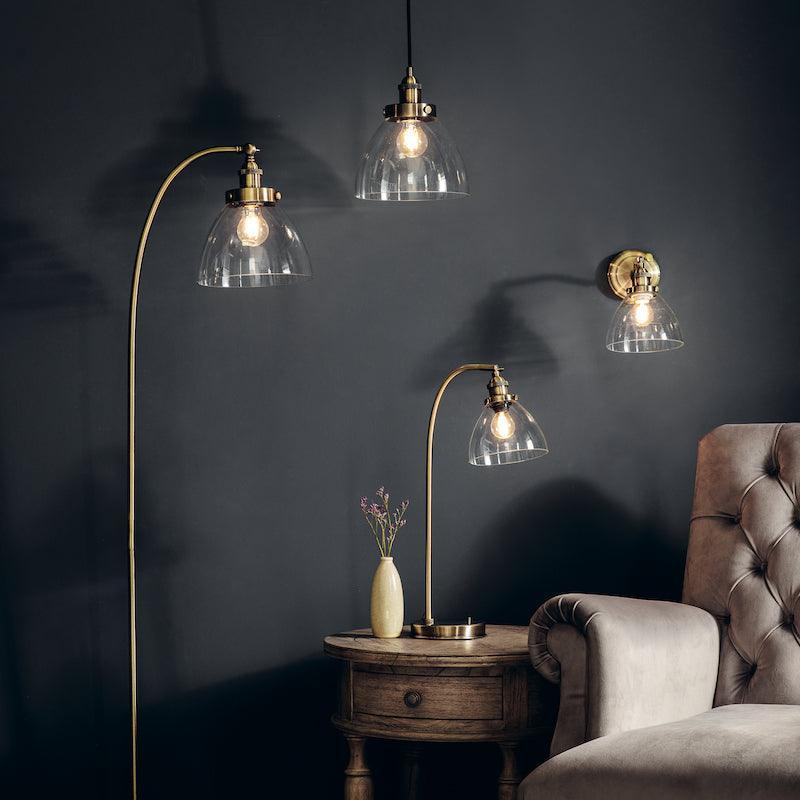
The Ultimate Guide to Layering Living Room Lighting
The living room is arguably the hardest-working space in the modern home. It is where we entertain guests on a Saturday evening, curl up with a good book on a Sunday afternoon, watch television with the family, and, increasingly, where we catch up on emails or oversee homework. With so many different activities taking place in one single room, a "one size fits all" approach to lighting simply will not work.
If you rely solely on a single, glaring overhead ceiling bulb to illuminate your living space, you are likely finding the room feels flat, washed out, and entirely lacking in atmosphere. The secret to a beautifully designed, welcoming home is a concept interior designers call "layered lighting."
In this comprehensive guide, we will walk you through exactly how to combine different types of light fixtures to create a cosy, functional, and visually expansive living room. Whether you are undertaking a complete renovation or simply looking to refresh your space with a few well-chosen pieces, this guide will help you illuminate your home like a professional.
What is Layered Lighting?
Layered lighting is the art of combining multiple different light sources at varying heights and intensities to create a balanced, flexible, and visually interesting room. Think of it much like layering your clothing for changing weather; you need a base layer, a practical layer, and an aesthetically pleasing top layer to complete the look.
When you layer your lighting, you eliminate harsh shadows, highlight the architectural features of your room, and most importantly, gain the ability to completely alter the mood of the space with the flick of a switch. To master this technique, you must understand the three core types of lighting: ambient, task, and accent.
Mastering Ambient, Task, and Accent Light
1. Ambient Lighting (The Base Layer)
Ambient lighting, often referred to as general lighting, is the foundational layer that provides overall, uniform illumination to the room. It allows you to navigate the space safely and comfortably. In a living room, ambient light typically comes from your primary overhead ceiling fixtures, such as chandeliers, flush mounts, or pendant lights. Natural daylight streaming through your windows also contributes to your ambient layer. The goal of ambient lighting is not to be overly bright or harsh, but rather to provide a comfortable base level of brightness.
2. Task Lighting (The Practical Layer)
As the name suggests, task lighting is highly focused illumination designed to help you perform specific activities without straining your eyes. In a living room, this might be a desk lamp on a small writing bureau, a directional floor lamp positioned next to your favourite armchair for reading, or even bright, concentrated lights over a puzzle or games table. Task lighting should be brighter than your ambient lighting, creating a localized pool of light exactly where you need it.
3. Accent Lighting (The Decorative Layer)
Accent lighting is where the magic truly happens. This layer is purely decorative and is used to add drama, depth, and visual interest to your living room. It draws the eye to specific focal points, such as a beautiful piece of artwork, an interesting architectural alcove, or a textured stone fireplace. Accent lighting is typically provided by strategically placed wall lights, picture lights, or even small, glowing table lamps tucked onto bookshelves. Generally, accent lighting should be around three times brighter than the surrounding ambient light to ensure the highlighted feature truly stands out.
Choosing the Perfect Living Room Ceiling Light
Your main ceiling fixture is often the focal point of the room, setting the tone for your entire interior design scheme. However, choosing the right fixture is about much more than just aesthetics; you must carefully consider the proportions of your room and the height of your ceiling.
Assessing Ceiling Height and Room Proportions
Before you fall in love with a sprawling, multi-tiered chandelier, it is vital to measure your ceiling height. In the UK, particularly in modern new-build homes, ceilings tend to be lower than in period properties.
As a general rule of thumb, you should aim to leave a minimum of 7 feet (approximately 2.1 metres) of clearance between the bottom of your ceiling light and the floor. This ensures that even the tallest of your guests can walk through the room comfortably without ducking. If you are placing a ceiling light directly over a central coffee table—where no one will be walking beneath it—you can afford to drop the fixture slightly lower to create an intimate, grounded feel.
Flush and Semi-Flush Designs for Modern Homes
If you are working with a lower ceiling, do not despair. You do not have to compromise on style simply because a long pendant is out of the question. Flush ceiling lights (which sit completely flat against the ceiling) and semi-flush ceiling lights (which drop down just a few inches on a short stem) are absolutely perfect for these spaces.
At Tiffany Lighting Direct, our collection of glass flush and semi-flush ceiling lights offers incredibly elegant solutions. By choosing a beautifully crafted glass design, such as an intricate Tiffany pattern or a sleek Art Deco motif, the light is pushed both downwards into the room and upwards across the ceiling, which cleverly creates the optical illusion of a much taller, more expansive room.
Statement Chandeliers and Pendants
For homes blessed with high ceilings, large Victorian proportions, or open-plan vaulted roofs, you have the freedom to make a grand statement. A dramatic chandelier or an oversized pendant acts as the "jewellery" of the room. When sizing a statement piece, a helpful interior design trick is to add the length and width of your room together in feet. That number, converted to inches, is the ideal diameter for your chandelier. For example, if your living room is 12 feet by 14 feet (total 26), look for a fixture approximately 26 inches in diameter to ensure the scale feels perfectly balanced.
How to Use Wall Lights to Frame a Fireplace
If your living room features a fireplace, it naturally acts as the structural centrepiece of the room. Enhancing this architectural feature with the right lighting is one of the most effective ways to elevate your interior design. Wall lights are the perfect tool for this job.
Symmetrical Styling for Classic Elegance
The human eye is naturally drawn to symmetry, finding it calming and aesthetically pleasing. Placing a matching pair of wall lights on either side of a fireplace instantly anchors the room and gives it a highly considered, boutique-hotel finish.
If you have a traditional, period-style fireplace, choosing wall lights with classic brass backplates and soft fabric shades or stained glass can enhance the heritage feel. For a more modern, minimalist aesthetic, consider sleek, metallic up-and-down lighters that wash the chimney breast with a warm, ambient glow, highlighting the texture of the paint or exposed brickwork without drawing too much attention to the fixture itself.
Wiring and Placement Rules of Thumb
Getting the placement right is crucial for both aesthetic balance and practical illumination. As a general guide, wall lights should be installed at roughly eye level to prevent the bare bulb from glaring directly into your line of sight. In most living rooms, this equates to a height of approximately 1.5 to 1.7 metres (around 5 to 5.5 feet) from the floor.
When positioning them beside a fireplace, ensure they are spaced evenly. Leaving a gap of roughly 30 to 40 centimetres between the edge of the fireplace mantel and the centre of the wall light usually provides the most balanced look. Always consult with a qualified electrician before undertaking any new wiring, as they can advise on the safest and most efficient routing for your specific walls.
Making a Statement with Tiffany Floor Lamps
Once your ceiling and wall lights are established, it is time to look to the floor. Floor lamps are incredibly versatile; they can be moved around as your furniture layout changes and require absolutely no complex installation—simply plug them in and enjoy. They are ideal for bridging the gap between ambient and task lighting.
Introducing Colour and Texture
If your living room features a relatively neutral colour palette—perhaps dominated by greys, creams, or soft earth tones—a Tiffany floor lamp is a masterful way to inject a sudden burst of vibrant colour, texture, and personality.
The legendary copper foil technique used in genuine Tiffany-style lighting means that every single piece of glass is hand-cut and soldered. When illuminated, the rich jewel tones of ruby reds, emerald greens, and sapphire blues project a magnificent, warming glow into the room. Even when switched off during the day, a high-quality Tiffany floor lamp serves as a standalone piece of sculptural art.
Positioning Floor Lamps for Maximum Impact
To get the most out of your floor lamp, positioning is key. One of the most popular uses is to create a dedicated reading nook. Place a tall, downward-facing floor lamp slightly behind and to the side of a comfortable armchair. The light will fall perfectly over your shoulder onto your book or tablet, providing excellent task lighting without casting a glare on the television screen.
Alternatively, use a floor lamp to banish "dead zones." Every living room has that one shadowy corner that feels somewhat forgotten. By placing a beautiful floor lamp in an empty, dark corner, you instantly draw the eye outwards, pushing the boundaries of the room back and making the entire space feel significantly larger and more inviting.
Table Lamps: The Final Touch of Intimacy
No layered lighting scheme is complete without the soft, localized glow of table lamps. While ceiling lights provide the structure and wall lights highlight the architecture, table lamps provide the soul of the room.
Creating Pockets of Warmth
Table lamps are best used to create little islands of intimacy around your seating areas. Placing a beautifully crafted table lamp on a console table behind the sofa, or on a pair of matching side tables flanking your main seating arrangement, brings the light down to a human level.
When you are relaxing in the evening, turning off the main ceiling fixture and relying solely on your table lamps, floor lamps, and wall lights creates a remarkably soothing environment. It signals to your brain that the busy day is over, helping you to unwind and prepare for rest.
Matching vs. Mismatching
A common question we receive is whether all the lamps in a living room need to match perfectly. The short answer is no! In fact, interiors that feature slightly mismatched lighting often feel much more curated, organic, and "lived-in."
The trick is to find a common thread that ties them together. You might choose lamps that have different base shapes but feature the same metal finish, such as antique brass. Or, you might mix a colourful Tiffany table lamp with a very simple, understated metal floor lamp, allowing the Tiffany piece to be the undisputed star of the show.
The Magic of Dimmers and Smart Controls
You can have the most beautiful lighting fixtures in the world, but if they are constantly blasting at maximum brightness, your living room will feel more like a supermarket aisle than a sanctuary. The absolute most crucial element of layered living room lighting is the ability to control the intensity of the light.
Transitioning from Day to Night
Every single ambient and accent light in your living room should ideally be connected to a dimmer switch. Dimmers give you total control over the atmosphere. During a gloomy winter afternoon when you are cleaning or working, you can turn the lights up fully for bright, practical visibility. As the evening progresses and you transition to watching a film or enjoying a glass of wine, you can dim the lights down low to create a soft, cinematic, and relaxing mood.
When purchasing your bulbs, always ensure you select "dimmable LEDs." Not only are they incredibly energy-efficient—saving you money on your electricity bills—but modern dimmable LEDs also maintain a beautifully warm colour temperature even when turned down to their lowest setting.
Shop with Confidence at Tiffany Lighting Direct
Investing in the perfect lighting for your home is an important decision, and we are here to ensure your experience is seamless from start to finish. At Tiffany Lighting Direct, we pride ourselves on offering not just spectacular, high-quality fixtures, but also unparalleled customer service. With thousands of independent, verified five-star reviews on Feefo, you can shop with the absolute assurance that you are buying from a trusted, expert UK retailer. We are passionate about the craftsmanship behind every piece we sell; you can learn more about our story and our commitment to quality on our About Us page. Furthermore, we ensure your fragile glass pieces are packed with the utmost care, with fully tracked and insured shipping. For full details on our fast, reliable dispatch processes, please visit our Delivery Information page. Bring your home to life with lighting you will love for a lifetime.