


The Enduring Magic of Tiffany Lighting
There is something undeniably magnetic about a Tiffany-style light. Long after the Art Nouveau period faded and the original Louis Comfort Tiffany studios closed their doors in the early 20th century, the appeal of these glowing, kaleidoscopic fixtures has never waned. Today, they remain a beloved staple in interior design, offering a unique blend of historical craftsmanship and warm, ambient illumination.
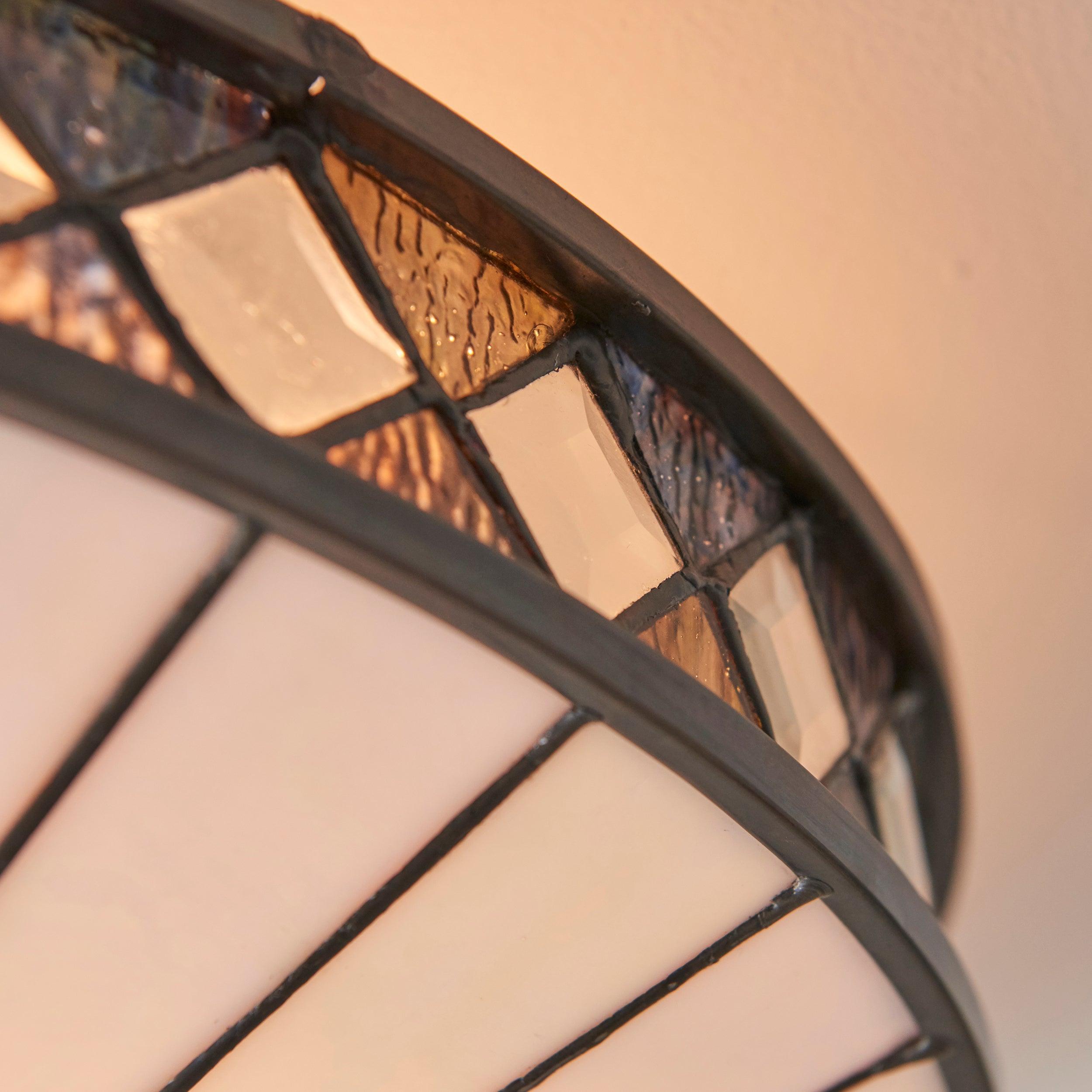
A true Tiffany-style fixture is not simply a light source; it is a piece of illuminated art. The process of creating these shades still relies on the copper foil technique developed over a century ago, where individual pieces of colored glass are hand-cut, wrapped in copper foil, and soldered together.
Whether you are looking to introduce a single focal point into a modern room or curate a completely historically inspired home, navigating the world of stained glass lighting can be a beautiful journey. Here is an in-depth exploration of the primary ways to incorporate this iconic style into your home.
Tiffany Lamps
When most people hear the word "Tiffany," the image that immediately springs to mind is the classic table lamp. These are the fixtures that started it all—intimate, glowing domes that transform a dark corner into a cozy, inviting sanctuary.
The brilliance of a Tiffany table lamp lies in its duality. During the day, the intricately patterned glass acts as a sculptural element, catching natural sunlight and displaying its complex colors and textures—from mottled opalescent glass to rippled "water" glass. At night, when illuminated from within, the lamp comes alive. The dark solder lines create a stark, graphic silhouette, while the glass panels radiate a warm, multi-tonal glow that softens the entire room.
Styling and Placement:
-
The Reading Nook: A Tiffany lamp placed on a sturdy side table next to a leather armchair creates a classic, scholarly aesthetic. The downward-directed light is excellent for reading without flooding the rest of the room with harsh glare.
-
The Entryway Console: Placing a vibrant, floral-patterned lamp in your hallway provides a welcoming, ambient glow for guests entering your home.
-
The Bedside: Matching but not necessarily identical Tiffany lamps on either side of a bed can anchor the room. Using smart bulbs allows you to dim the light to a soft, amber glow perfect for winding down.
When selecting a table lamp, pay close attention to the base. Authentic-style fixtures pair their heavy glass shades with equally substantial bases, typically cast in metal with an antique bronze or brass finish. The base often features organic motifs—tree trunks, lily pads, or geometric Art Deco steps—that complement the shade's design.
Tiffany Floor Lamps
If a table lamp is an accent, a Tiffany floor lamp is an architectural statement. These tall fixtures take the intricate beauty of stained glass and elevate it to eye level, providing both ambient room lighting and a striking vertical design element.
Floor lamps in the Tiffany style generally fall into two structural categories:
-
The Traditional Downbridge or Dome: Similar in shape to their table-top counterparts, these feature a large, dome-shaped shade pointing downward. They are incredibly effective for casting a pool of light over a specific seating area.
-
The Torchiere: These feature an inverted shade that points upward, casting light onto the ceiling where it diffuses softly throughout the room. Torchieres are excellent for providing general ambient light without the harsh shadows of exposed downward bulbs.
Popular Motifs to Look For:
-
The Dragonfly: Perhaps the most famous of all Tiffany designs, featuring large, filigreed wings and glowing glass "jewels" (cabochons) for eyes.
-
Floral and Botanical: Wisteria, peonies, and daffodils are rendered in sweeping, organic lines that bring a sense of the outdoors inside.
-
Geometric: For homes that lean more toward Craftsman, Mission, or Art Deco styles, geometric patterns using earth tones (amber, sage, and deep red) provide a more structured, tailored look.
Because of the weight of the glass shade, a high-quality floor lamp will have a heavily weighted base to prevent tipping. This makes them incredibly sturdy fixtures that can safely anchor the corners of bustling living rooms.
Tiffany Wall Lights
Wall lights—or sconces—are often the unsung heroes of a lighting scheme. By mounting stained glass directly onto the wall, you create illuminated art that frees up floor and table space. Tiffany wall lights are brilliant for layering your lighting, moving away from a single, glaring overhead light toward a more nuanced, atmospheric environment.
The half-moon or "uplighter" shape is the most common profile for a Tiffany wall sconce. The light washes up the wall, highlighting your paint or wallpaper while glowing through the colored glass front.
Where Wall Lights Shine:
-
Hallways and Corridors: A series of matching Tiffany wall lights spaced evenly down a long hallway breaks up the tunnel effect and adds immense character to a transition space.
-
Flanking a Fireplace: Installing a pair of sconces on either side of a chimney breast adds symmetry and draws the eye to the room's natural focal point.
-
Dining Rooms: When paired with a central chandelier, wall sconces provide low-level perimeter lighting that creates an intimate, restaurant-like atmosphere for dinner parties.
When installing wall lights, the general rule of thumb is to place them approximately 60 to 66 inches from the floor, keeping the bulb itself out of the direct eyeline of someone standing in the room.
Tiffany Ceiling Lights - Flushes and Pendants
The ceiling is the most prominent canvas in any room, and hanging a Tiffany fixture ensures that the artistry of stained glass is visible from every angle. Depending on your ceiling height and the room's function, you will typically choose between a flush/semi-flush mount or a hanging pendant.
Tiffany Flush and Semi-Flush Ceiling Lights
For modern homes with standard 8-foot ceilings, hanging a large pendant isn't always viable. This is where flush and semi-flush fixtures excel.
-
Flush Mounts sit tightly against the ceiling. In a Tiffany style, this usually takes the form of an inverted bowl of stained glass. They are perfect for hallways, bedrooms, and low-ceiling living spaces where you want maximum clearance without sacrificing style.
-
Semi-Flush Mounts drop down slightly (usually 4 to 8 inches) on a short stem. This small gap allows light to escape upward, reflecting off the ceiling and back down into the room, which creates the illusion of more height while fully illuminating the glass shade.
Tiffany Pendant Lights
If you have high ceilings, or if you are placing a light over a dining table or kitchen island, a Tiffany pendant is a breathtaking choice.
Pendants come in two distinct orientations:
-
Downward-facing: These focus light directly onto the surface below, making them ideal for over a dining table, a pool table, or a kitchen island. The colored glass shade prevents glare from hitting the eyes of anyone sitting around the table.
-
Inverted (Upward-facing): Suspended by chains, the bowl points toward the ceiling. This acts similarly to a torchiere floor lamp, providing soft, shadow-free indirect lighting that is incredibly flattering for living rooms and large bedrooms.
The Magic of Multi-Light Suspensions:
For larger rectangular dining tables or kitchen islands, a single dome might not distribute light widely enough. In these cases, a suspension bar featuring two or three smaller Tiffany shades, or a large, rectangular billiard-style light, provides both the necessary task lighting and a massive dose of character.